You headed out for your weekend long hunt and came back a little worse for wear. Your muscles ache from all the physical activity, your clothes are all wet and dirty, and you know you have to get back to work to repair and clean all of your gear. How you approach this time of recovery and the maintenance of your equipment can have a profound effect on how you approach your next hunt. Give yourself the time and space to recover from your hunt, and to fix and clean your gear so that it will last for a long time and that you can get out into the natural world again soon.
Prioritize Pre-Packing Decisions
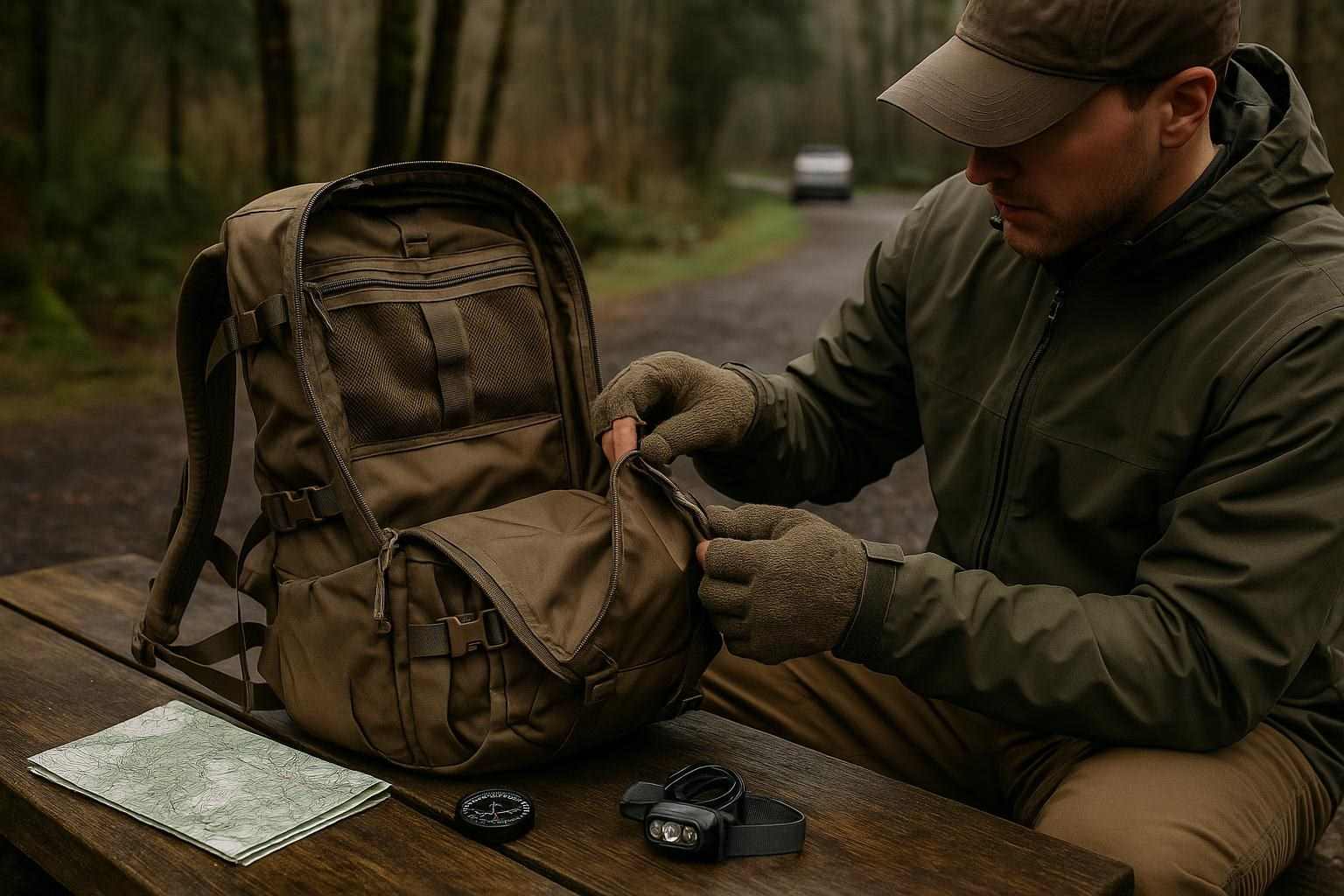
Initial actions on returning to the home after a hunting trip should first manage all of the gear left at the hunting location before packing it all into a vehicle for storage. Start with clean gear and sort into dry layers and muddy gear. Go through all of the gear that got wet or soiled during the day and sort into items that need immediate cleaning and items that can be cleaned later. As the initial shock of the end of the hunt starts to wear off it is very easy to put off gear cleaning until later. Initiate cleaning of gear as soon as possible and do as much as time allows before cleaning more.
Safety first! Don't let the pack become a chaotic, mad scramble for gear as the light begins to fade or conditions change negatively. Protect that gear as if your life depended on it. Clean up as much as possible when you have time to focus on the task at hand and the remainder can be cleaned up at a later time.
Don't forget to take down any unused food and pack up any unnecessary gear. See what local regulations need to be followed for disposal of waste in the area where you hunted.
Tailor Recovery to Your Needs
As you prepare to head out for your next hunting adventure, remembering to recover from your previous hunt is crucial to reaching peak levels of physical, mental, and gear specific readiness. If you hiked through brutal terrain or hunted in awful conditions, your body will need extra time to recover. Simply popping back into hunting mode after a long weekend of hunting in horrible conditions and tackling a massive list of tasks to get ready for the next trip can be counter productive. Start recovering as soon as possible, and take as much time as needed to do so correctly.
A good recovery requires much more than simple switching between work and idle time. When you came home exhausted after a long hunt in wet conditions, after long walks and tough physical exertion, you should start to rehydrate and refuel as soon as possible. Hot shower, changed clothes, a good night of sleep and healthy next day's breakfast are a lot more important than all that idle late night time spent reorganizing your field gear.
Gear Maintenance: Triage It Right
Different items of hunting equipment require different amounts of maintenance. Most of your gear will need to be cleaned and dried as soon as possible after return from your hunting trip, some items will only need to be checked before being put away and a few items will require repair before your next hunting trip. Separating your gear into these three groups will help you to know how to best spend your time with each item of gear.
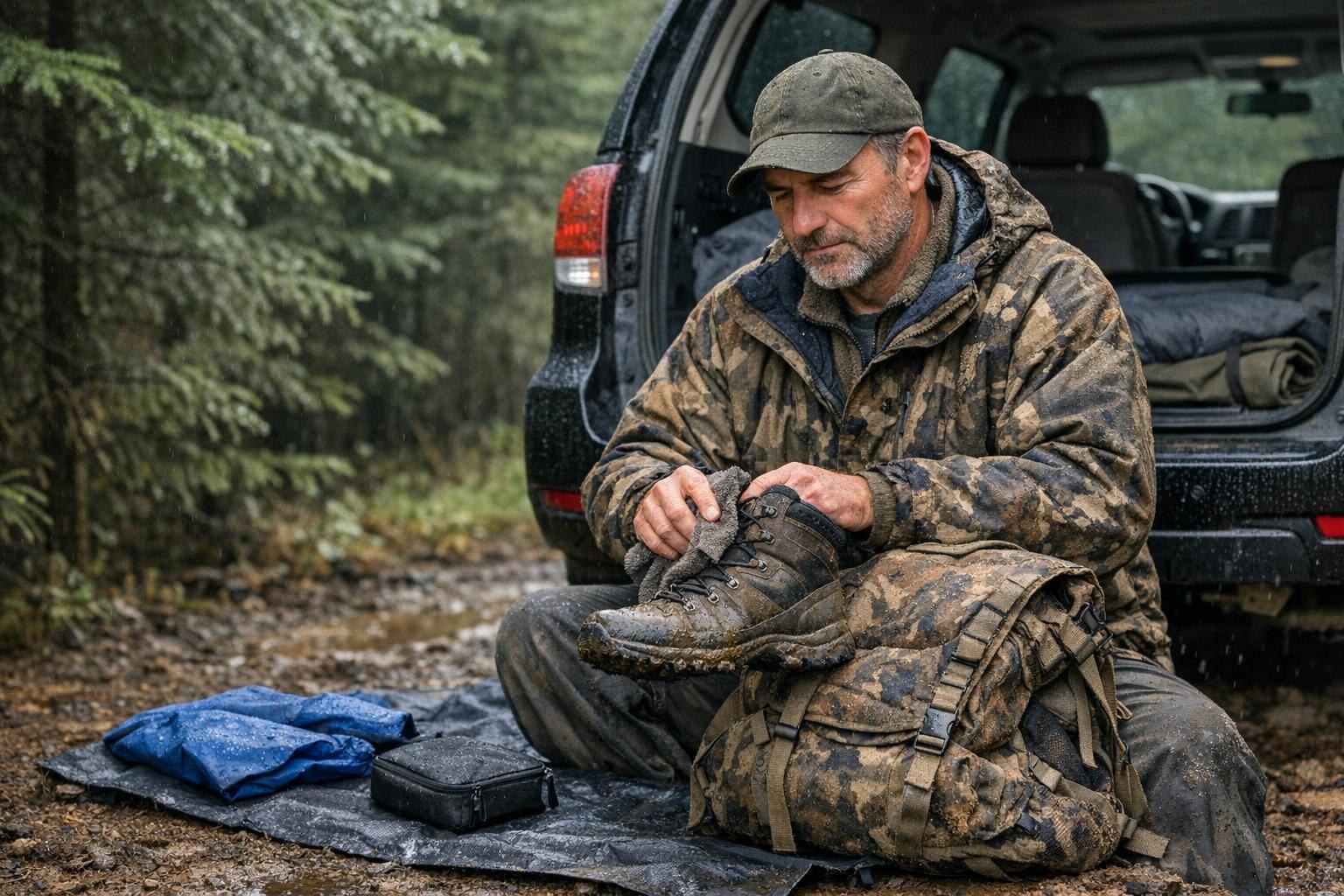
Footwear is typically the most sensitive to degeneration from moisture within. Avoid spreading grit or mud between the upper and insole and start by removing any dirt or moisture from the exterior of the footwear and then allow the footwear to dry naturally, refer to your manufacturer's guidelines for specific care advice to avoid accidental damage, for example, excessive heat can compromise adhesives and ruin seals.
Cleaning clothing requires particular care also. Clothes are to be shaken out thoroughly from dirt and debris and all pockets are to be checked for any items left in them. When washing clothes it is essential to use mild detergents and to follow the special washing and drying instructions printed on labels of garments made from special fabrics in order to avoid damage to them.
Create a Sustainable Cleaning Routine
A routine cleaning schedule will ensure your equipment is in top condition and ready to go for future outings throughout the season. For dry outings a simple wipe down and check for any damage will be sufficient, but after muddy or wet days a more thorough clean will be required to prevent corrosion and mold.
Don't over clean gear as you can strip away protective surface finishes and even cause deterioration of components. There are also extreme cases of corrosion and even mold which can occur if you neglect to clean your gear. Make sure to refer to the manufacturer's maintenance and cleaning recommendations for specific gear and follow them for washing and drying special fabrics.
In terms of keeping a store of spare parts, be aware of what you need to keep for your specific gear. This can include small cloths, brushes, lubricants, spare batteries and a range of basic repair materials. When storing chemicals, ensure that they are kept safely and out of the reach of children and pets.
Focus on Safety Equipment First
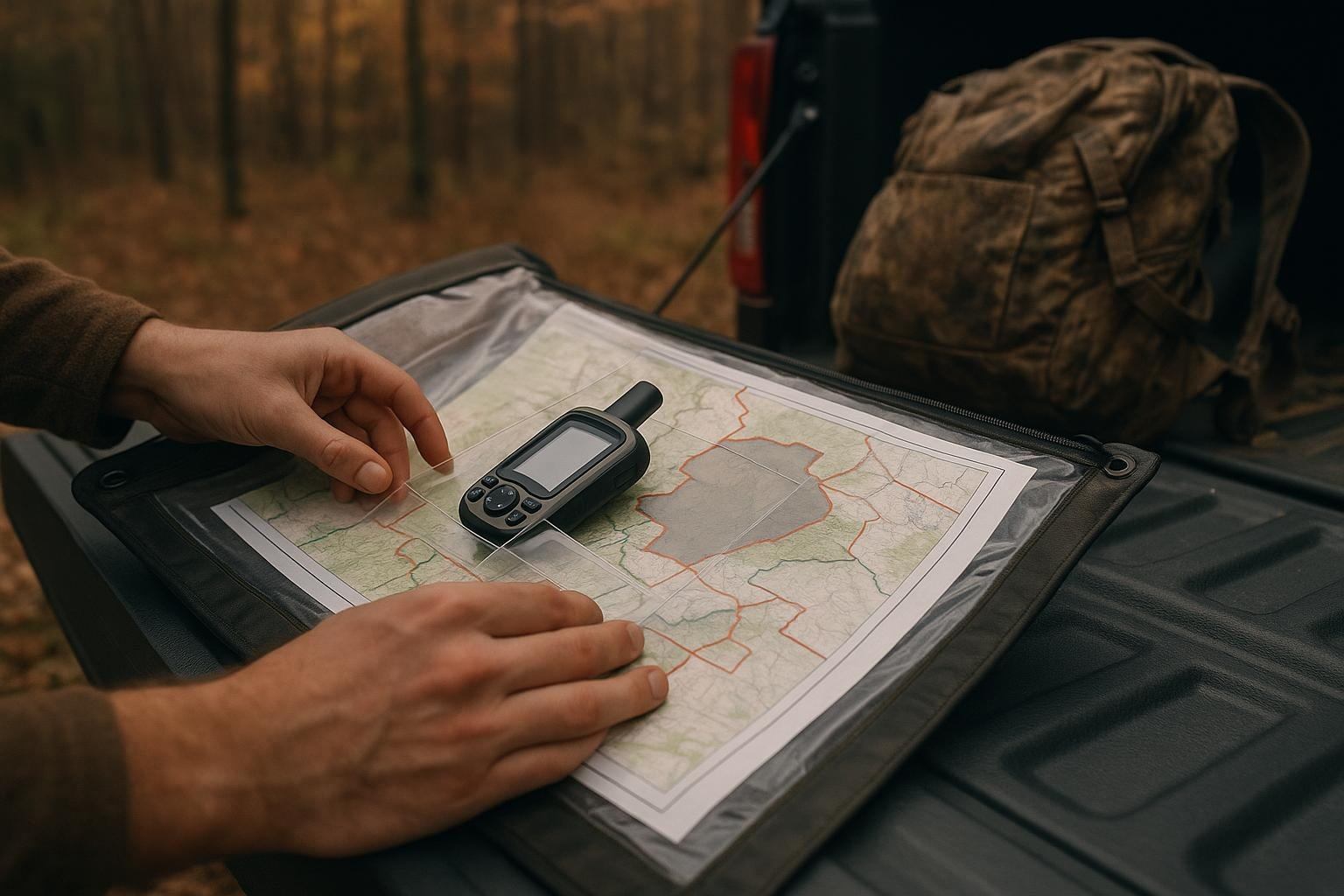
Inspect safety, mobility, and navigation related gear first. The items that impact your hunting experience greatly should be inspected thoroughly for any signs of wear and tear. A stray thread on a strap or a loose buckle could cause significant problems while in the field. Avoid testing gear that in question of safety until you are positive it will function as expected.
Before testing questionable gear in the future be 100% sure it is safe to use. Clearly label gear that is in question and find out answers from the manufacturer's manuals or websites of approved repair people. Gear such as guns and bows are regulated by local states or provinces and must be checked against the safety and operating procedures for that piece of equipment for that area.
It's worth keeping a list of any repairs and/or replacements that you need to do after any trip, especially if you've been out for back-to-back trips and things may have got a bit muddled.
Embrace Stewardship for Future Hunts
In addition to taking care of your personal gear after a successful hunt, remember to clean up your outdoor area in order to protect local wildlife and environment from seeds, dirt, and bugs to adhere to any and all access rules to safeguard the future of local land management and preserve your hunting grounds for future generations of hunters.
Reflecting on past hunts without critiquing yourself too harshly can lead to realizing the efficiencies in your gear choices, the flexibility of your routes, and even key adjustments needed to prepare for future events without having to purchase new gear. Focus on using what you already have rather than continually trying to add to it.
Many times it is more ethical to pull the plug on a hunt when it is not being safe for you or others and visibility or conditions of hunting are terrible. Many times people hunt all day because of all the time they put into traveling to their hunting spot. Sometimes this is due to the cost of traveling to the spot.
Establish a Reset Protocol
As noted previously, successful gear care involves not only cleaning and drying gear but also inspecting it, storing it properly and then using it effectively for future adventures. Be sure to store gear in such a way that not to seal up damp gear in a container where it could get even wetter. Store sharp or hazardous gear with care to avoid accidents.
When it comes to recovery time versus preparation time, remember to allow time for gear to cease deteriorating. Be sure to maintain your gear thoughtfully so that you can head out on future excursions prepared and safely.